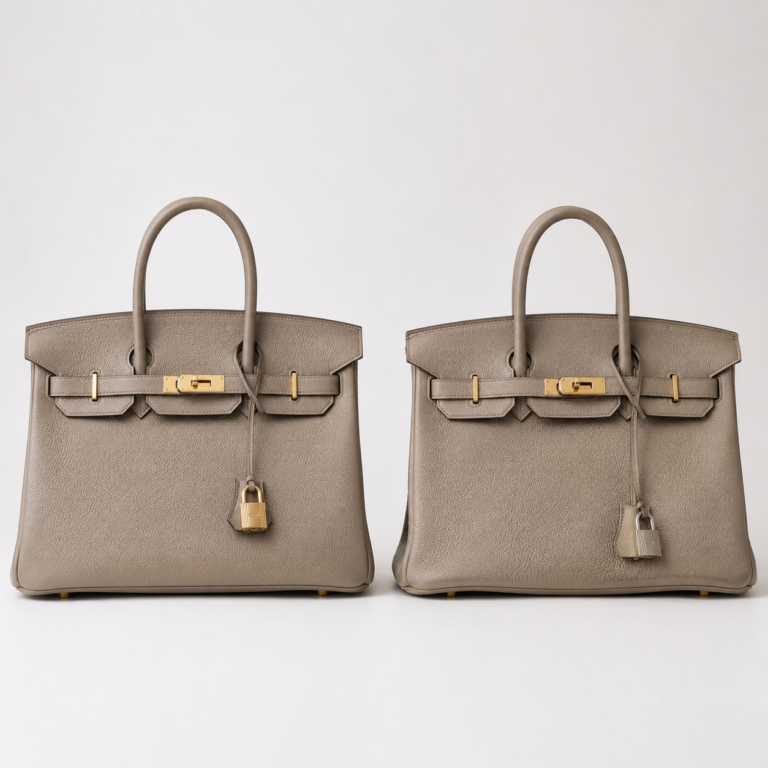
Intellectual property infringement is the unauthorized use of someone else’s protected creation – their brand, invention, creative work, or confidential know-how. It covers everything from a counterfeit handbag to a pirated film to a copied patented part, and it’s now a multi-trillion-dollar problem driven largely by online trade. This guide explains what counts as infringement, the main types, what it looks like in practice, and what rights holders can actually do about it.
Annual counterfeit goods sold globally
Every takedown reviewed by a person
Global trade in counterfeit goods (OECD, 2021)
Enforcement costs covered by recovered assets
Last updated: June 2026
By: Alex Wrexford, Axencis
What is intellectual property infringement?
Intellectual property infringement happens when someone uses, makes, copies, sells, or distributes intellectual property they don’t own and weren’t given permission to use. Intellectual property (IP) is a legal right over a creation of the mind – a brand name, an invention, a piece of writing or music, a product design, or a confidential business process. When a right holder owns one of those rights, others generally need permission, usually a license, to use it. Use it without that permission and you’ve infringed.
The meaning is broad on purpose, because IP comes in several forms and each is infringed differently. Selling fake sneakers with a brand’s logo infringes a trademark. Uploading a film you don’t have rights to infringes a copyright. Manufacturing a patented component without a license infringes a patent. Walking out with a competitor’s secret formula infringes trade secret protection. The common thread is simple: a protected creation used without the owner’s say-so.
Most infringement is a civil matter, resolved through the courts between the rights holder and the infringer. But deliberate, commercial-scale counterfeiting and piracy can also be criminal, carrying fines and, in serious cases, prison. The line usually turns on scale and intent.
What are the main types of IP infringement?
There are four core categories of intellectual property, plus design rights that sit alongside them. Each protects something different, so each is infringed in its own way.
| IP type | What it protects | What infringement looks like |
|---|---|---|
| Trademark | Brand names, logos, slogans – signals of who made a product | Counterfeits carrying a brand’s mark; confusingly similar names or logos |
| Copyright | Original creative works – writing, music, film, art, software | Piracy, unauthorized copying, reproduction, or distribution |
| Patent | Inventions – new products and processes | Making, using, or selling a patented invention without a license |
| Trade secret | Confidential business information – formulas, methods, data | Theft or misuse of confidential information (misappropriation) |
| Design rights / trade dress | The look of a product or its packaging | Copycat shapes or packaging that mimic the original’s appearance |
Trademark infringement is the type most brand owners meet first, because it’s the engine of counterfeiting. The legal test is usually “likelihood of confusion” – would an ordinary buyer think the fake came from, or was approved by, the real brand? Copyright infringement is about copying protected expression, which is why it dominates piracy of media and software. Patent infringement can happen even by accident, since you can infringe a patent without ever having seen it. Trade secret misappropriation is the inside job – an employee or partner taking confidential information. And design rights catch the lookalike products that copy an item’s distinctive appearance without carrying its logo.
How these rights arise matters too. Copyright is automatic – it exists the moment an original work is fixed in a tangible form, with no registration required, though registration can strengthen enforcement. Trademarks and patents are usually secured through registration with a national office, although unregistered trademark rights can build up through use. That difference shapes how each right is proven when it’s infringed.
What does IP infringement look like in practice?
For most brands today, infringement means counterfeiting and unauthorized selling on online marketplaces. The OECD put global trade in counterfeit and pirated goods at $467 billion in 2021, around 2.3% of world imports, and more than 90% of counterfeit seizures are linked to goods bought online and shipped by mail. The estimated total value of counterfeits sold each year runs past $2 trillion.
In day-to-day terms, that shows up as fake listings on marketplaces, lookalike products that undercut the real thing, sellers hijacking a genuine product listing, and pirated digital goods. Counterfeit cosmetics and electronics carry real safety risk – fakes can contain harmful ingredients or unsafe components – which is why infringement isn’t only a revenue problem. It’s a consumer-safety one too.
What are the consequences of IP infringement?
The damage runs in two directions: what it costs the rights holder, and what it costs the infringer when they’re caught.
For the brand, infringement diverts sales to fakes, drags down pricing as unauthorized sellers undercut, and erodes trust when a customer’s “bargain” turns out to be junk. Consumer surveys consistently find that people who unknowingly buy a counterfeit lose trust in the brand and are less likely to buy from it again. The reputational hit rarely shows on a quarterly report, but it’s real.
For the infringer, the remedies are serious. In civil cases courts can order an injunction to stop the activity, award damages or an account of the infringer’s profits, and order the seizure and destruction of infringing goods. Copyright law in some countries allows statutory damages – set amounts per work infringed – without the owner having to prove exact losses. And for deliberate, commercial counterfeiting and piracy, criminal penalties can include heavy fines and imprisonment.
When is using IP not infringement?
Not every use of someone else’s IP breaks the law. The rights have limits, and several well-established exceptions sit alongside them.
Permission. A license, an assignment, or the owner’s consent makes use lawful – the simplest exception of all.
Fair use and fair dealing. Many copyright systems allow limited use of a protected work without permission for purposes such as criticism, commentary, news reporting, teaching, or research. The US calls this fair use; the UK and others call it fair dealing, with narrower defined categories.
Exhaustion, or the first-sale doctrine. Once a genuine product is sold with the rights holder’s consent, the buyer can usually resell it. That’s why a legitimate secondhand market is lawful – and why the hard question in brand protection is often whether goods are counterfeit or simply genuine items being resold.
Expiry. IP rights don’t last forever. Patents typically run about 20 years and copyright commonly lasts the author’s life plus 70 years; once a right expires, the work enters the public domain. Trademarks can last indefinitely, but only while they’re renewed and used.
Ideas versus expression. Copyright protects the expression of an idea, not the idea itself. Two authors can write about the same subject – only copying the actual words or structure infringes.
How is IP infringement enforced?
Enforcement runs along a ladder, from quick administrative removals up to full litigation.
Marketplace takedowns are the first rung. Most major platforms run IP complaint programs, and copyright owners can use notice-and-takedown procedures (such as the DMCA in the US) to have infringing listings or content removed. It’s fast, but listings often reappear under new seller names.
Cease-and-desist letters put an infringer on formal notice and demand they stop. They resolve a lot of straightforward cases without going near a court.
Litigation is the heavy end – suing for an injunction and damages. For brand owners facing networks of foreign online sellers, one route has become the most effective US tool available: Schedule A litigation. A Schedule A case bundles many defendants into a single federal action, typically in the US Northern District of Illinois, and can deliver court orders that freeze marketplace and payment-processor accounts, seize counterfeit goods, and recover damages from dozens of sellers at once. It reaches the foreign sellers that individual marketplace takedowns can’t keep pace with.
How can brands detect and respond to infringement?
You can’t enforce what you can’t see, so a working program starts with monitoring – scanning marketplaces, social platforms, and websites for listings that use your marks or copy your products. Detection alone isn’t enough, though. The hard part is verification: confirming an item is actually infringing before acting, often through test purchases and a teardown of the seller’s operation.
That verification step is where accuracy matters most. Automated systems flag at scale but generate false positives, catching authorized resellers, licensed distributors, and legitimate parallel imports in the net. Those mistakes damage real business relationships, and the cost of the error lands on the brand, not the system that made it. Human review of each action before it’s taken – a person checking the evidence rather than trusting the algorithm – is what keeps enforcement accurate. It’s the difference between clearing genuine infringers and accidentally attacking your own sellers.
From there, the response depends on the case: a takedown for a one-off fake, a cease-and-desist for a clear but contained infringer, and litigation for the organized, repeat networks where structured brand protection and legal enforcement are the only thing that moves the needle.
Key takeaways
- IP infringement is using protected IP without permission – a brand, invention, creative work, design, or trade secret.
- There are four core types – trademark, copyright, patent, and trade secret – plus design rights, each infringed differently.
- Most of it now happens online – counterfeiting and unauthorized selling drive a $467B global trade, with safety risk in categories like cosmetics and electronics.
- Remedies are real – injunctions, damages, seizure, and, for deliberate counterfeiting, criminal penalties. But IP rights are territorial.
- Enforcement runs from takedowns to litigation – Schedule A cases are the most effective US route against networks of foreign online sellers.
- Not all use is infringement – permission, fair use, the first-sale doctrine, and expiry of the right are all limits on what counts.
Frequently asked questions
What is intellectual property infringement in simple terms?
It’s using someone else’s protected creation – their brand, invention, creative work, design, or confidential information – without permission. That includes selling counterfeits, pirating media or software, copying a patented product, or stealing trade secrets. The owner generally has to grant permission (usually a license) before anyone else can use the right.
What does “IP infringement” mean?
IP infringement is shorthand for intellectual property infringement: the unauthorized use of a trademark, copyright, patent, trade secret, or design right. “IPR infringement” means the same thing (IPR stands for intellectual property rights).
What are the four main types of intellectual property?
Trademarks (brand names, logos, slogans), copyrights (creative works like writing, music, film, and software), patents (inventions), and trade secrets (confidential business information). Design rights, which protect the appearance of a product, sit alongside these four.
Is IP infringement a civil or criminal offense?
Usually civil – resolved through the courts between the rights holder and the infringer. But deliberate, commercial-scale counterfeiting and piracy can also be criminal, carrying fines and, in serious cases, imprisonment. The distinction generally turns on scale and intent.
What are the penalties for IP infringement?
In civil cases, courts can order an injunction to stop the activity, award damages or the infringer’s profits, and order the seizure and destruction of infringing goods. Some copyright regimes allow statutory damages per work. Criminal counterfeiting and piracy can bring heavy fines and prison time.
What’s the difference between trademark and copyright infringement?
Trademark infringement is about brand identifiers – using a mark, name, or logo in a way likely to confuse buyers about who made a product. Copyright infringement is about copying original creative expression, like text, music, or software. A counterfeit product often infringes a trademark; a pirated film infringes a copyright.
Is counterfeiting the same as IP infringement?
Counterfeiting is a type of IP infringement – typically trademark infringement, often alongside copyright or design rights. But not all infringement is counterfeiting. A confusingly similar brand name, an unlicensed patent, or a copied design can infringe without anyone producing a physical fake.
What is Schedule A litigation?
Schedule A litigation is a US federal lawsuit filed against many defendants in a single action, usually in the Northern District of Illinois, used against networks of online counterfeit sellers. It can deliver court orders that freeze marketplace and payment-processor accounts, seize counterfeit goods, and recover damages from dozens of foreign sellers at once – reaching infringers that individual takedowns cannot.
When is using intellectual property not infringement?
Use is generally lawful when you have permission (a license or the owner’s consent), when an exception applies such as fair use or fair dealing for criticism, news, teaching, or research, when you resell a genuine item you legitimately bought (the first-sale doctrine), or when the right has expired and the work is in the public domain. Copyright also protects expression rather than ideas, so writing about the same subject in your own words is not infringement.
Do you have to register intellectual property to enforce it?
It depends on the type. Copyright is automatic on creation, though registration can strengthen enforcement and unlock remedies like statutory damages in some countries. Trademarks and patents are usually secured through registration with a national office, although unregistered trademark rights can build up through use. Registration generally makes rights easier to prove and enforce.
Sources
- WIPO – What is Intellectual Property
- United States Patent and Trademark Office
- U.S. Copyright Office
- OECD – Mapping Global Trade in Fakes
- EU Intellectual Property Office
- WTO – Agreement on Trade-Related Aspects of Intellectual Property Rights (TRIPS)
Seeing your IP infringed online?
Axencis runs human-verified marketplace monitoring and Schedule A enforcement against the foreign sellers behind cross-border counterfeiting – so legitimate distributors aren’t caught by mistake. Legal enforcement runs on the Performance Partnership model, with costs covered by recovered assets.
About the author
Alex Wrexford spent fifteen years investigating counterfeit networks for brand owners before he started writing about it – the test buys, the teardowns, the freight manifests that didn’t add up, the patient business of tying a hundred fake shops back to one person. He writes on counterfeiting and intellectual property enforcement, and is the author of The Takedown, a true-crime investigation into how the world’s counterfeiters get found, caught, and made to pay. More at alexwrexford.com.