Pandabuy: What the Raid and Ruling Mean for Brand Protection
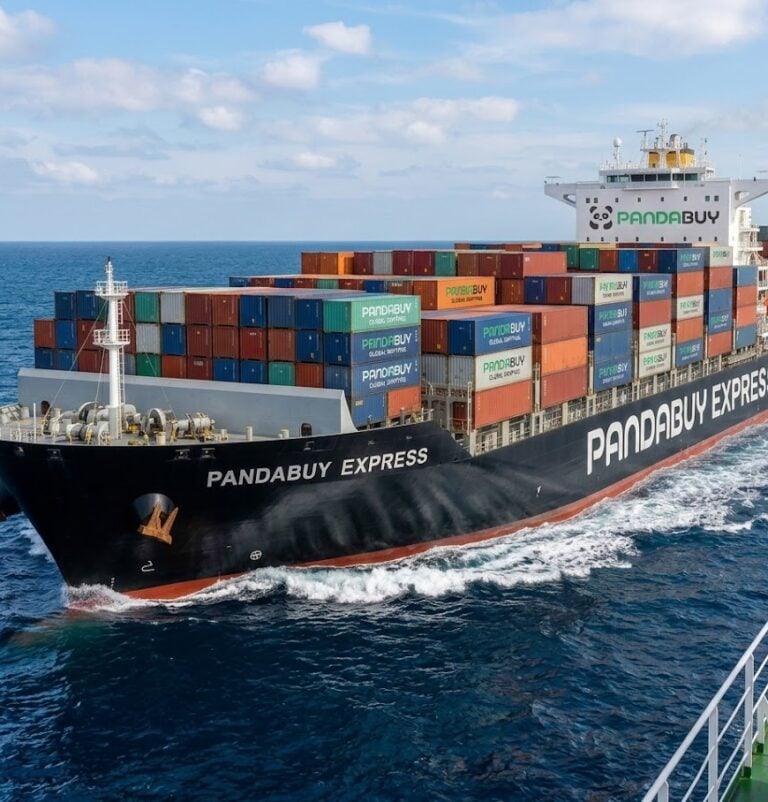
In April 2024, Chinese authorities raided Pandabuy warehouses across five cities and seized millions of parcels containing counterfeit goods. The operation spanned roughly twenty football stadiums of warehouse space and employed over 2,200 workers. Sixteen major brands had been coordinating legal action, including Off-White, Palace Skateboards, and Loewe.
In January 2025, a US court dissolved a $16 million asset freeze against the platform. The court held that Pandabuy “does not rise to the level of control or representation required for liability.” The platform operates as a logistics intermediary between Chinese marketplaces and international consumers, the ruling found – more like a search engine or shipping aggregator than a seller.
The case forces brand owners to confront a harder version of the counterfeit problem. The infrastructure that connects counterfeit supply to global demand sits at the intermediary layer, and that layer has so far defended itself by claiming it does not control what passes through.
Key Takeaways
- The April 2024 Pandabuy raid seized counterfeit goods from warehouses spanning roughly 20 football stadiums of space across five Chinese cities.
- A January 2025 US court ruling dissolved a $16M asset freeze, treating Pandabuy as a logistics intermediary rather than a marketplace seller.
- The ruling sets a precedent: facilitator platforms that aggregate orders without controlling sales sit outside current US trademark liability theory.
- Schedule A litigation targets foreign sellers below the facilitator layer – the route that still works for cross-border enforcement and asset recovery.
What Happened in the Pandabuy Raid
The raid uncovered an operation at scale that surprised even seasoned investigators. Warehouses contained hundreds of thousands of counterfeit sneakers and branded products awaiting onward shipment. The 2,200 workers spanned five Chinese cities and supported a model that fulfilled orders from Taobao, Tmall, JD.com, and Weidian for buyers worldwide.
The platform’s role was to receive orders in English, consolidate purchases from Chinese-language marketplaces, perform quality inspection, and forward the parcels. To consumers, this looked like one-stop access to brands and pricing not otherwise available outside China. To brand owners, it looked like an unauthorised distribution layer carrying counterfeit product across borders.
The Pandabuy raid is part of a broader pattern of marketplace counterfeit infrastructure that brand owners face daily. We have written separately about the Taobao counterfeit risk landscape, the 1688.com supply layer, and how AliExpress shifts moved counterfeits elsewhere. Pandabuy sat downstream of those source platforms, packaging their output for international buyers.
The January 2025 Ruling and Its Implications
The dissolved asset freeze is significant because it tested a specific legal theory: that intermediary platforms can be held responsible for counterfeits flowing through them. The court declined to extend liability under this theory.
The reasoning is worth reading carefully. The court treated Pandabuy as operating closer to a logistics provider than a marketplace seller. Pandabuy did not list the goods, did not set the prices, and did not control which goods reached buyers beyond aggregating orders placed elsewhere. That layered model creates real legal friction for brand enforcement.
The ruling does not exonerate Pandabuy commercially. The April 2024 raid, the seizure, and the reputational damage have left the platform effectively disrupted. The legal precedent matters because it shapes how other intermediary platforms can be approached.
Why Intermediary Liability Is the Hardest Problem in Brand Protection
Traditional brand protection works at two layers. First, marketplace takedowns target individual listings on platforms like Amazon or AliExpress. Second, direct enforcement targets sellers themselves, often through litigation. Both depend on a clear party being responsible for the infringement.
Intermediary platforms break that model. When the platform claims it does not control the goods, the question becomes whether the brand owner can prove enough control to establish liability. The Pandabuy ruling tells us that “facilitates the sale” is not the same as “controls the sale” in the eyes of a US federal court.
The pattern is not unique to Pandabuy. Shipping agents, consolidators, and freight forwarders have long sat in the same legal grey zone. As facilitator platforms have professionalised, brand owners have found themselves with strong enforcement against individual sellers and limited reach against the platforms that aggregate them.
This is where many brand protection programmes hit a wall. The volume of takedowns goes up, the cost per recovered asset goes up, and the underlying flow of counterfeits stays roughly the same because the parent infrastructure remains intact. We cover what working programmes look like in how to tell if your brand protection programme is working.
The natural question from brand owners is what comes next – what the alternatives are when the facilitator route is closed. The honest answer is that the alternative is not another platform to monitor or another takedown approach. The alternative is to move enforcement one layer down, to the foreign sellers whose product flowed through the facilitator. That route requires a different procedure, which is where Schedule A litigation comes in.
Where Schedule A Litigation Fits
Schedule A litigation has emerged as the most effective US enforcement tool against the actors that intermediary platforms enable. A Schedule A case is a federal trademark or copyright lawsuit filed against multiple defendants in one action, typically in the US Northern District of Illinois. The court can grant temporary restraining orders that freeze marketplace and payment processor accounts and seize counterfeit merchandise from dozens of sellers simultaneously.
The numbers tell the story. Roughly 4,200 Schedule A cases were filed in the Northern District of Illinois between January 2013 and February 2025, according to research published by Michigan State University’s A-CAPP Center. Eighty-three percent of those cases were filed since 2020. The acceleration reflects both the scale of the counterfeit problem and the relative effectiveness of the procedure.
Schedule A has had to evolve too. In June 2025, a Northern District of Illinois judge stayed more than fifty Schedule A cases pending re-evaluation of fairness to defendants who claimed they had been swept up without proper notice. The procedure remains live but is now subject to closer judicial scrutiny on due process.
For brand owners affected by the Pandabuy facilitator gap, Schedule A litigation operates at a different layer. It does not target the platform. It targets the foreign sellers whose products flowed through it. When the platform layer is legally untouchable, going after the actors below the platform is the route that still works – and the route that delivers measurable asset recovery rather than listings that reappear under new seller names.
What Brand Owners Should Take From the Pandabuy Case
Four lessons matter:
Marketplace takedowns are necessary but not sufficient. Listings disappear and reappear; sellers do the same. A programme limited to takedowns will see costs rise without underlying flow falling. We cover the evaluation criteria for getting this right in how to evaluate brand protection providers in 2026.
Facilitator liability is unsettled. The Pandabuy ruling shows that platforms aggregating orders without controlling sales sit outside current US trademark infringement liability theory. Counsel should plan for that to remain the case.
Schedule A litigation is the operational tool for cross-border enforcement against foreign sellers. The procedure is concentrated in the Northern District of Illinois and remains the most efficient route to TROs, account freezes, and asset seizure against multi-defendant cohorts.
Evidence and case selection matter more than volume. The June 2025 judicial review of Schedule A practice signals that courts are tightening procedural fairness. Brand owners benefit from Schedule A counsel paired with operational partners who can package evidence consistently. We have written about why human review still matters even at scale.
How Axencis Approaches This
Axencis supports Schedule A litigation through evidence gathering, seller identification, fulfilment network mapping, and case preparation alongside counsel. Every takedown and case package is reviewed by a person before action; automated systems generate false positives against authorised resellers and parallel imports, and the cost of those errors falls on the brand owner, not the system that generated them.
The Performance Partnership pricing model covers enforcement costs from assets recovered from infringers, with any surplus returned to the client. The starting point for any cross-border counterfeit case is a review of the operational evidence already available. Our comparison of brand protection software covers how human-verified models compare against automated alternatives, and our IP enforcement approach connects the operational and legal layers of recovery.
Frequently Asked Questions
What is Pandabuy?
Pandabuy was a Chinese shopping platform that acted as an intermediary between international consumers and Chinese e-commerce marketplaces such as Taobao, Tmall, and JD.com. The platform consolidated purchases, inspected goods, and forwarded parcels to buyers worldwide.
What happened in the Pandabuy raid?
Chinese authorities raided Pandabuy warehouses across five cities in April 2024. The operation seized millions of parcels containing counterfeit goods from warehouses spanning roughly twenty football stadiums of space, with over 2,200 workers employed across the operation.
What did the January 2025 Pandabuy ruling decide?
A US court dissolved a $16 million asset freeze against Pandabuy. The court held that the platform did not rise to the level of control required for trademark liability, treating it as a logistics intermediary rather than a marketplace seller.
Can brand owners hold facilitator platforms liable?
The January 2025 ruling shows that US courts will not extend trademark liability to platforms that aggregate orders without controlling sales. Brand owners targeting cross-border counterfeit operations typically have more enforcement success against the foreign sellers below the facilitator layer than against the platform itself.
What is Schedule A litigation, and how does it recover assets?
Schedule A litigation is a federal trademark or copyright lawsuit filed against multiple defendants in one action, typically in the US Northern District of Illinois. The procedure delivers temporary restraining orders that freeze marketplace and payment processor accounts, seize counterfeit merchandise from dozens of foreign sellers in one proceeding, and recover damages and settlements that can offset enforcement costs.
How does the June 2025 Schedule A stay affect brand owners?
In June 2025 a Northern District of Illinois judge stayed more than fifty Schedule A cases for procedural fairness review. The procedure remains operational but is now subject to closer judicial scrutiny, so case selection, evidence packaging, and notice procedures have become more important.
Sources
- Michigan State University A-CAPP Center: Schedule A litigation volume research (4,200 cases between January 2013 and February 2025)
- US Northern District of Illinois court records
- Straits Research: global counterfeit market analysis
- Amazon Project Zero: 2024 brand protection enforcement data
Counterfeit Operations Below the Facilitator Layer
If your brand is affected by cross-border counterfeit flows, Axencis prepares the operational evidence Schedule A counsel needs.
About the author
Alex Zaika edits content at Axencis, a human-verified brand protection consultancy working with brand owners on anti-counterfeiting, takedowns, and recovery from infringers. For questions about the engagement model, get in touch.