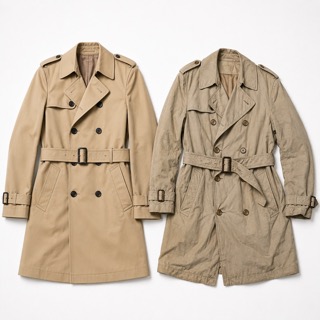
A shopper who buys a counterfeit believing it’s a sustainable brand’s product isn’t getting a cheaper version. They’re getting the least regulated, most environmentally damaging one. That paradox is the blind spot in fashion’s sustainability conversation – and as Copenhagen Fashion Week opens the season, it’s worth naming.
$2T+
Annual counterfeit goods sold globally
Human-Verified
Every takedown reviewed by a person
$467B
Counterfeit fashion, footwear and accessories trade (OECD-EUIPO, 2025)
Performance Partnership
Costs recovered from infringers, not a flat retainer
Last updated: August 2026
By: Alex Wrexford, author of The Takedown (guest contributor)
The conversation sustainable fashion is missing
Copenhagen Fashion Week built its reputation on pushing the industry to think differently: circular design, responsible manufacturing, less waste. It’s genuine progress, and it sets the agenda for the season. But one part of the conversation is missing almost entirely – the counterfeits of those same designs.
A label can do everything right inside its own supply chain and still have its work copied, at scale, by operations that answer to no one. That copy doesn’t just cost a sale. It quietly attaches a brand’s name to manufacturing that undoes everything the brand stands for.
Why a fake is the least sustainable product in the category
Counterfeiting is a $467 billion global trade, with clothing, footwear and accessories among the most-targeted categories (OECD and EUIPO, 2025). A fake carries a brand’s name and its design, but none of its supply chain. It’s typically made in unregulated facilities, with no oversight of the dyes, the materials, or the waste.
So the counterfeit of a sustainable product isn’t a slightly worse version of it. It’s the opposite of it: the same look, none of the standards. A consumer who buys one thinking they’ve made the responsible choice has bought the least responsible product on the shelf – and the brand takes the reputational hit for manufacturing it never touched.
Design protection and sustainability are the same commitment
This is where the brands already leading on sustainability are best placed to lead again. If environmental responsibility means controlling how a product is made, then it has to include stopping unregulated copies of that product being made and sold in your name. The two aren’t separate programs. They’re the same promise to the customer.
Public commitment to design enforcement would set a brand apart. It signals that protecting the design and protecting the planet are equally non-negotiable – and it closes the gap between what a brand controls and what the market actually sells under its label.
What protecting your designs actually takes
Most brands reach for basic takedowns and stop there. The problem is that a takedown clears one listing, not the seller behind it – so the same operation returns under a new account. Counterfeiting at scale needs coordinated enforcement across trademark, copyright and platform channels, a person reviewing each case so legitimate sellers aren’t hit by mistake, and legal escalation through Schedule A cases for the repeat offenders worth pursuing.
That’s the difference between maintenance and control. For how the takedown side works in practice, see our guide to DMCA takedown services, and how we approach brand protection as a whole.
Key takeaways
- A counterfeit is the least sustainable version of a product – same design, none of the environmental controls.
- Counterfeiting is a $467B global trade, with fashion among the most-targeted categories (OECD-EUIPO, 2025).
- Design protection belongs inside a sustainability program, not a separate legal silo.
- Takedowns alone don’t hold – the seller returns unless the case is escalated through legal channels.
Frequently asked questions
Is buying a counterfeit worse for the environment than the real product?
Generally yes. Counterfeits are made outside the environmental controls a legitimate brand applies – unregulated facilities, materials and waste. A fake sold as a sustainable brand’s product carries the look but none of those standards.
Does a sustainability strategy need to include IP protection?
If sustainability means controlling how a product is made, then stopping unregulated copies made and sold in your name is part of the same commitment. Design enforcement closes the gap between what a brand controls and what the market sells under its label.
Why don’t takedowns alone solve it?
A takedown clears a listing, not the seller behind it, so the same operation reappears under a new account. Lasting results need coordinated enforcement and legal escalation against the repeat sellers, not just removals.
Sources
Protecting your factories but not your designs?
We find counterfeits of your designs across every marketplace, put a person on each case before we act, and pursue the sellers behind them – so your brand name only sells what you actually made.
Protect Your Designs
About the author
Alex Wrexford is a guest contributor to Axencis and the author of The Takedown. He spent fifteen years investigating counterfeit networks for brand owners before he started writing about it. He writes on counterfeiting and intellectual property enforcement. More at alexwrexford.com. For questions about enforcement strategy, get in touch.